
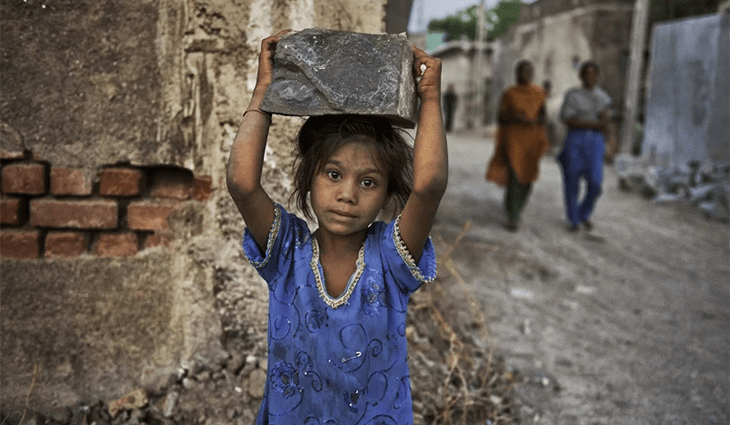
A teenager should not have to choose between a paycheck and a safe body. Yet Child Labor Law Violations keep surfacing in places many Americans touch every week: fast-food counters, poultry plants, farms, warehouses, hotel laundry rooms, and back kitchens humming after dark. The problem is not a dusty relic from black-and-white factory photos. It is a present-tense failure of hiring pressure, weak oversight, and employers who treat young workers as flexible labor instead of developing people. Families looking for clear business and legal compliance updates deserve plain answers, because this issue sits close to home. A high school student may want gas money, college savings, or a first taste of independence. That can be healthy. But when a minor closes alone past legal hours, cleans dangerous equipment, misses school, or gets pushed into adult work, the job stops being opportunity and starts becoming harm. Federal data show the U.S. Department of Labor found 976 child labor violation cases in fiscal year 2025 involving 5,272 minors, with 773 minors employed in hazardous occupation violations.
Why These Violations Keep Reappearing in Plain Sight
The hardest part for many parents to accept is how ordinary the setting can look. A teen in a polo shirt, an apron, or a warehouse vest does not always look exploited. They look employed. That gap between appearance and reality is where many illegal practices survive.
How ordinary shifts become illegal work
A legal youth job can turn unsafe through a few quiet decisions. A manager asks a 15-year-old to stay late because two adults called out. A restaurant lets a minor use a meat slicer because the dinner rush is backed up. A store schedules a student during school hours because the scheduling software did not flag the age restriction.
Federal rules under the Fair Labor Standards Act set different standards by age. Sixteen is the basic minimum age for most nonfarm jobs, while 14- and 15-year-olds may work only in limited nonmanufacturing, nonhazardous jobs outside school hours. Workers under 18 are barred from federally defined hazardous occupations.
The counterintuitive part is that many violations do not begin with a villain twirling a mustache. They begin with a short-staffed workplace, a young person who wants to prove maturity, and an adult supervisor who treats the law as a suggestion. That is still illegal. Good intent does not make dangerous work safe.
Why subcontracting blurs responsibility
Modern labor chains make accountability harder to see. A national brand may own the facility, a staffing agency may supply workers, and a sanitation contractor may run the overnight crew. When a minor gets placed in the wrong job, everyone points sideways.
That structure has shown up in major enforcement actions. In January 2025, Reuters reported that Perdue Farms and a staffing agency agreed to pay more than $4 million to settle U.S. Department of Labor claims tied to children allegedly working hazardous jobs at a Virginia chicken processing plant. The reported violations involved dangerous equipment and work past legal evening limits.
A similar pattern appeared with JBS USA. Reuters reported that the Labor Department reached a $4 million agreement with JBS connected to unlawful child labor practices by third-party service providers at facilities in Colorado, Iowa, Minnesota, and Nebraska.
This is why brand reputation alone cannot protect children. A company can have polished public statements and still operate a labor chain where underage workers slip into adult hazards. The law has to follow the work, not the logo.
Where Underage Workers Face the Highest Risk
The most dangerous youth jobs are not always the ones teenagers brag about. Risk often hides behind familiar tasks: cleaning, stocking, cooking, lifting, carrying, sorting, or closing. Those jobs look harmless until the machine starts, the shift stretches past midnight, or the adult supervision disappears.
Meatpacking and sanitation expose teens to machines meant for adults
Meatpacking and food processing remain among the clearest warning zones because the worksite itself is built around speed, blades, chemicals, belts, hooks, slick floors, and heavy equipment. Adult workers get hurt in those places. Minors face even higher risk because they often lack the training, body strength, and confidence to refuse a dangerous order.
The Labor Department’s fiscal year 2025 data shows 250 cases with hazardous occupation violations and 773 minors employed in violation of those hazardous occupation rules. Those numbers matter because hazardous occupations are not technical footnotes. They are the jobs federal law says are too dangerous for people under 18.
A teenager cleaning machinery after dark may not understand the full danger of lockout failures, chemical exposure, or cutting equipment. They may also fear losing the job if they speak up. That fear is a tool. Employers who benefit from silence know it, even when they pretend they do not.
Restaurants, retail, and farms hide harm in familiar places
Food service can seem like the classic first job, and often it is. A teen running a register after school is not the problem. The problem begins when the same teen works too late, handles prohibited equipment, skips required breaks under state law, or gets treated as an adult closer because the store cannot staff the schedule.
Retail and warehouse roles carry their own traps. A minor may be asked to use compactors, unload heavy deliveries, climb ladders, or handle tasks that fall outside safe youth employment rules. In a busy store, these requests can sound casual. “Can you take care of that box?” may be the sentence that puts a child near equipment they should never touch.
Agriculture adds another layer because family work, seasonal labor, migration, and rural isolation can make oversight weaker. A child picking crops for relatives is not the same as a minor placed into commercial labor under pressure. The details matter, and that is why blanket assumptions fail. Safe teen work requires age-appropriate tasks, adult supervision, legal hours, and a workplace that does not punish questions.
How Weak Oversight Lets Workplace Exploitation Spread
A law is only as strong as the record that proves it was broken. When age documents disappear, permits vanish, or inspections slow down, violations become harder to catch. Bad employers do not need perfect secrecy. They need enough confusion to delay consequences.
Paperwork gaps turn teen work into guesswork
Youth work permits and age certificates may sound like dull paperwork, but they create a trail. They force someone to confirm age, job type, schedule limits, and often parental awareness. Remove that trail, and the system starts relying on memory, honesty, and luck.
The Economic Policy Institute reported in June 2026 that at least 13 states had introduced bills weakening child labor protections that year, with four enacted. It also noted that only three states had introduced bills to strengthen standards in 2026, compared with 15 in 2025.
That trend matters for workplace exploitation because enforcement depends on visibility. If an investigator cannot quickly confirm who worked, when they worked, and what tasks they performed, the employer gains time. For a young worker, time is not neutral. More shifts can mean more fatigue, more missed school, and more exposure to machinery or late-night risk.
State rollbacks create confusion employers can exploit
Federal law sets a floor, but states can add stronger protections. Trouble starts when state lawmakers weaken local rules while federal restrictions remain in place. Employers may hear the weaker state rule and assume everything changed. Some will be confused. Some will use confusion as cover.
The Economic Policy Institute’s 2026 tracking identified patterns such as lowering teen wages, weakening permit systems, expanding work hours, and using youth apprenticeship language to soften hazardous work limits. Those proposals can sound career-friendly on paper. In practice, they may place minors closer to adult danger before they have adult power.
Apprenticeships can help young people when they are structured around education, supervision, and safety. They become dangerous when the word “training” turns into a shortcut for cheap labor. A teen learning a trade should not be treated as a smaller adult worker with fewer rights and fewer ways to say no.
What Parents, Employers, and Communities Can Do Before Harm Occurs
The best response is not panic. It is attention. Teen work can build confidence, skill, and independence when adults draw firm lines. The goal is not to keep every young person away from work. The goal is to keep work from swallowing the young person.
How families can spot warning signs without blaming the teen
Parents and guardians should ask specific questions, not vague ones. “How was work?” will often get a shrug. Better questions sound like this: What time did you clock out? Did you use any machines? Were adults nearby? Did anyone ask you to skip a break? Did you feel rushed or scared?
That approach matters because many underage workers will defend the job. They may like the money, the independence, or the manager who praises them for being “mature.” A teen can be proud of working and still be put in an illegal position. Both things can be true.
Families should watch for late-night fatigue, sudden schedule changes, unexplained injuries, falling grades, fear of calling in sick, or pressure to cover adult shifts. None of those signs proves a violation alone. Together, they tell you the job deserves a closer look.
How responsible businesses build safer youth employment rules
Good employers do not wait for a government investigation to learn the basics. They separate youth jobs from adult jobs on paper and in practice. They train managers on age limits, lock dangerous equipment out of minor assignments, and build schedules that block illegal hours before a shift goes live.
A safe business also makes refusal normal. A 16-year-old should be able to say, “I am not allowed to do that,” without being mocked, punished, or quietly removed from future shifts. The strongest youth employment rules are the ones a nervous teen can actually use.
Communities have a role as well. Schools can teach students how to read a pay stub, report unsafe work, and understand age-based restrictions. Local chambers can give small employers plain compliance checklists. Parents can compare notes without treating every youth job as suspicious. Protection works best when it feels routine, not dramatic.
Conclusion
American workplaces do not need children doing adult-risk jobs to stay open. They need better staffing, clearer records, trained managers, and a culture that treats young workers as people in development, not gaps in a schedule. The rise in enforcement numbers should unsettle anyone who cares about work, education, and basic fairness. But the answer is not to shame teens for wanting money or experience. The answer is to make the adults responsible again. Child Labor Law Violations continue because too many systems reward speed over caution and silence over proof. That can change when families ask sharper questions, employers build real guardrails, and communities refuse to treat dangerous teen work as normal hustle. A first job should teach responsibility, not fear. Start by checking the rules in your state, asking your teen what they actually do at work, and speaking up before a bad shift becomes a permanent injury.
Frequently Asked Questions
What are the most common child labor violations in the United States?
The most common problems involve minors working too many hours, working too late, doing jobs below the legal minimum age, or handling equipment they are not allowed to use. Food service, retail, agriculture, cleaning, and processing jobs often create the most risk.
Can a 14-year-old legally work in America?
A 14-year-old can work in certain nonhazardous, nonmanufacturing jobs under strict hour limits and school-day restrictions. Federal law bars most nonagricultural work for children under 14, with limited exceptions such as newspaper delivery, acting, and casual babysitting.
Why are hazardous occupations banned for workers under 18?
Hazardous occupations are banned because they carry a higher risk of serious injury, illness, or death. Federal rules keep minors away from dangerous machinery, mining, roofing, meat processing equipment, and other work that requires adult training, judgment, and physical readiness.
Which industries have the biggest risk for underage workers?
Food processing, restaurants, agriculture, retail, warehouses, construction-related work, hotel services, and janitorial operations can carry higher risks. The danger rises when minors work late, operate equipment, clean machinery, lift heavy loads, or work without adult supervision.
What should parents ask when their teen starts a job?
Parents should ask about exact work hours, job duties, equipment used, break rules, adult supervision, and who the teen reports to. They should also ask whether the employer checked age documents and whether the teen feels safe saying no to certain tasks.
Can employers get fined for illegal child labor practices?
Employers can face civil money penalties, back wages, court orders, monitoring requirements, and public enforcement actions. Penalties can grow when violations involve hazardous work, repeat conduct, injury, or large numbers of minors across multiple locations.
Do state child labor laws override federal child labor laws?
State laws do not erase federal protections. When state and federal rules differ, employers usually must follow the rule that gives the minor stronger protection. A weaker state rule can create confusion, but it does not cancel federal restrictions.
How can a young worker report unsafe or illegal work?
A young worker can contact the U.S. Department of Labor Wage and Hour Division or a state labor agency. They can also talk to a parent, school counselor, trusted adult, union representative, or legal aid group before filing a complaint.